
Accredited by the National Board of Accreditation (NBA) under Tier-I
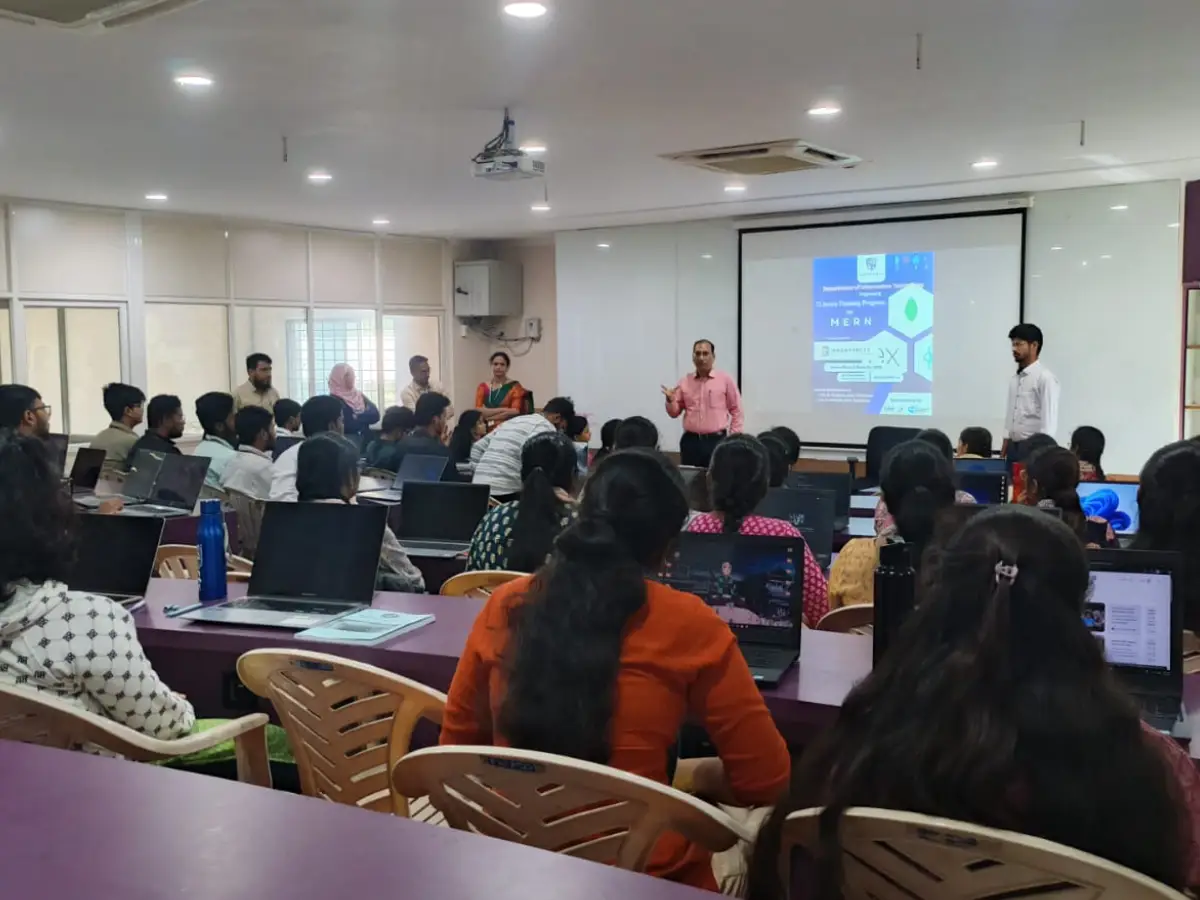
The Department has spacious, well-ventilated classrooms equipped with modern teaching aids to support effective classroom instruction and technology-enabled learning.
The Department of Information Technology (IT) has established modern Smart Classroom Infrastructure to support hybrid, online, and technology-enabled learning. These classrooms are equipped with advanced instructional technologies such as high-definition projectors, interactive digital boards, and multimedia presentation systems, enabling faculty members to deliver engaging and visually rich learning experiences. The integration of digital teaching tools allows seamless access to online resources, simulations, and collaborative learning platforms, enhancing the effectiveness of classroom instruction.
To facilitate hybrid learning environments, the classrooms are supported by high-speed internet connectivity, video conferencing systems, and real-time collaboration platforms. These technologies allow students to participate in lectures, discussions, and project-based learning activities from remote locations while maintaining active interaction with instructors and peers. The digital infrastructure ensures uninterrupted connectivity and smooth integration between in-person and virtual learning environments.
This technology-enabled classroom ecosystem promotes interactive, flexible, and inclusive learning, ensuring that students have equal access to academic resources regardless of their location. By integrating smart teaching technologies with modern pedagogical practices, the department strengthens its commitment to delivering a dynamic, student-centric, and future-ready educational experience aligned with contemporary digital learning standards.
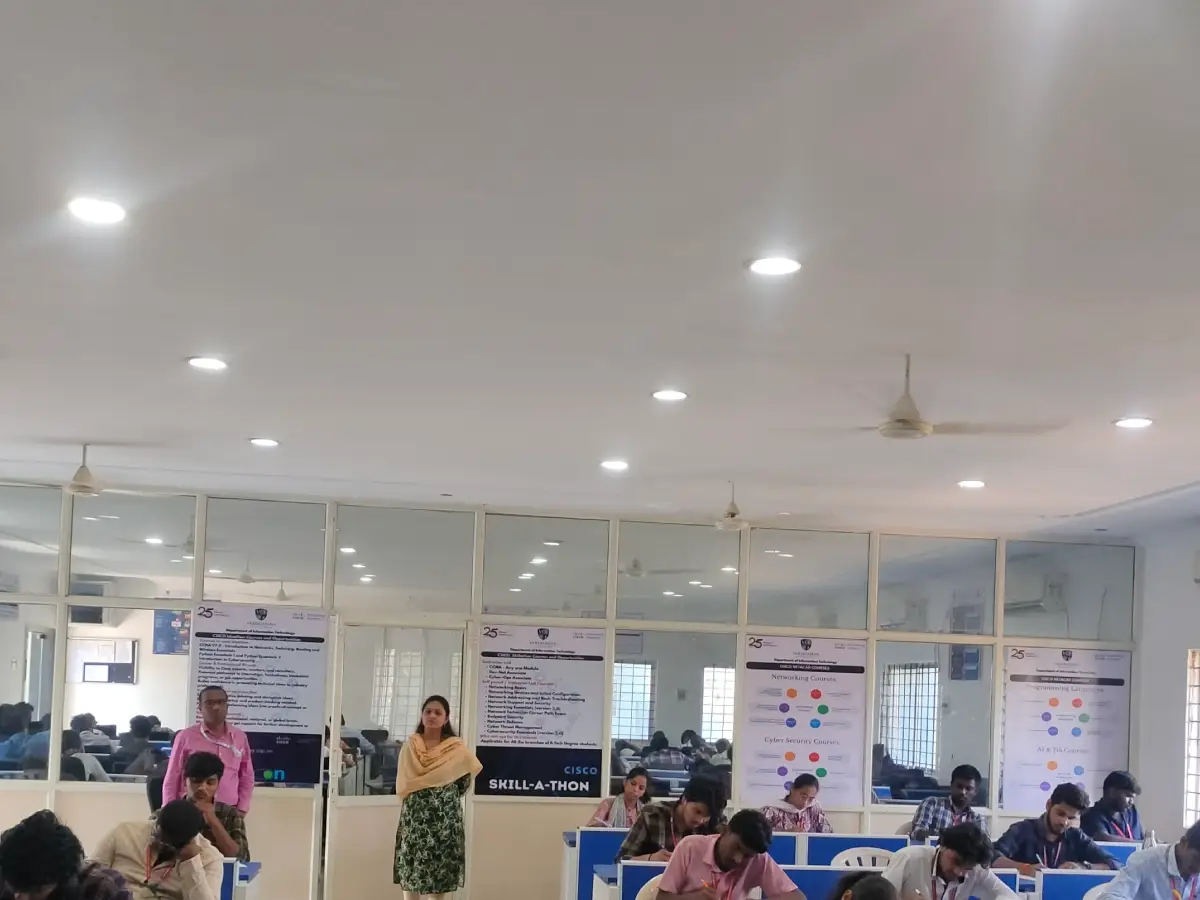
The laboratories in the Department of Information Technology are equipped with modern computing systems to support activities in programming, data analytics, cloud computing, artificial intelligence, and emerging technologies. The typical system configuration includes Intel Core i7 processors with 4 GB RAM and 1 TB HDD, as well as Intel Core i5 (10th Generation) processors with 16 GB RAM and 1 TB HDD, providing adequate computational capability for academic and experimental work. The laboratories are supported by high-speed LAN connectivity with internet access, enabling seamless access to online resources, cloud platforms, and collaborative tools. In addition, the infrastructure includes multimedia projectors, smart classroom support, network switches, routers, and virtualization-enabled servers, which facilitate interactive teaching and practical experimentation. These configurations effectively support programming development environments, data analytics frameworks, virtualization platforms, and web development tools required for various laboratory courses offered by the department.
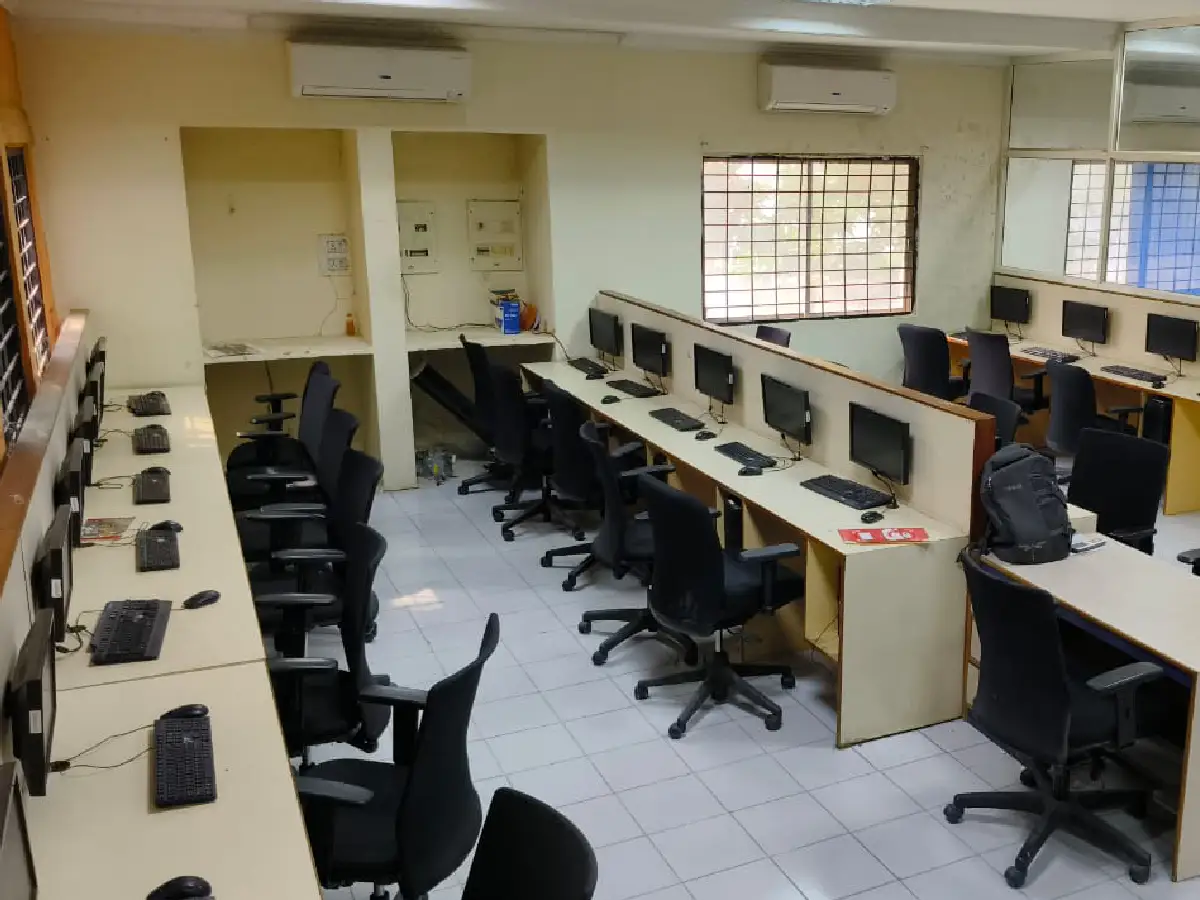
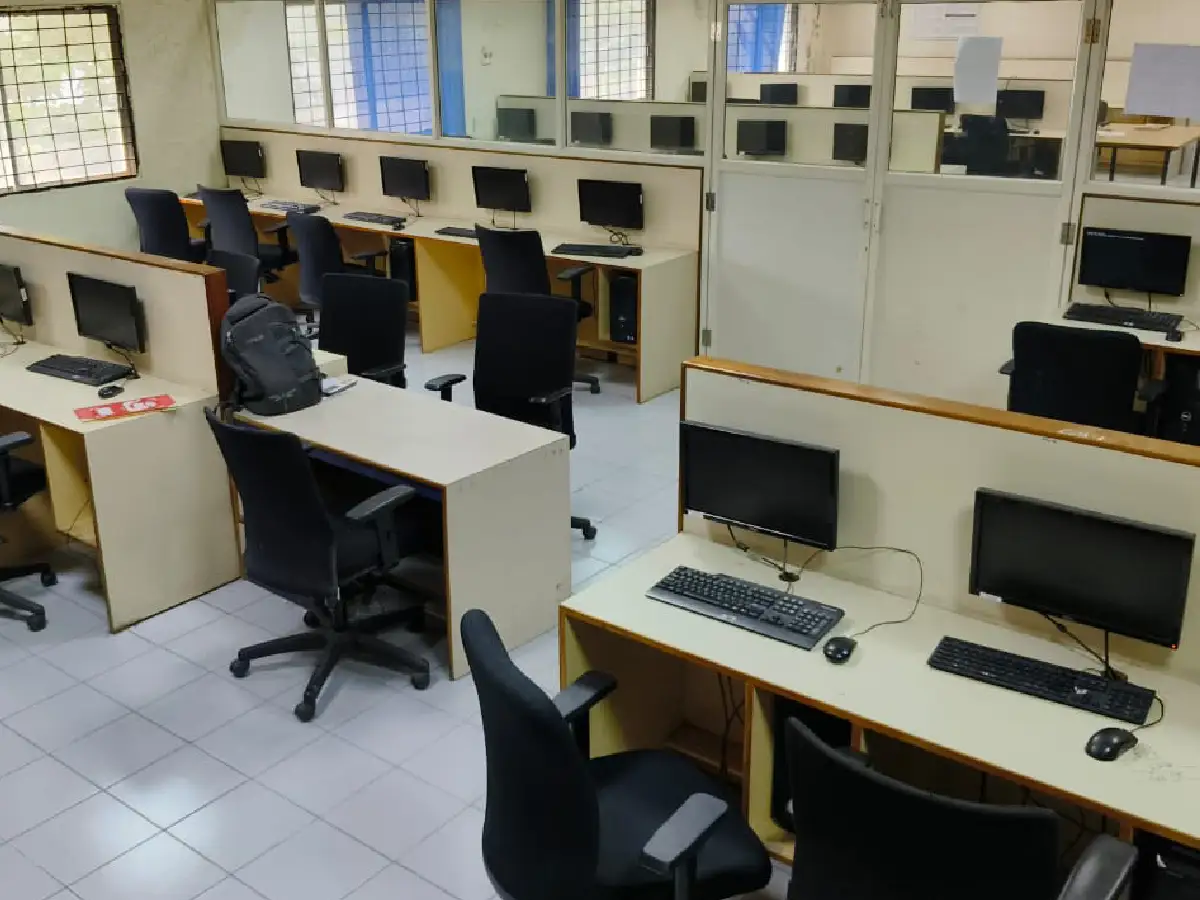
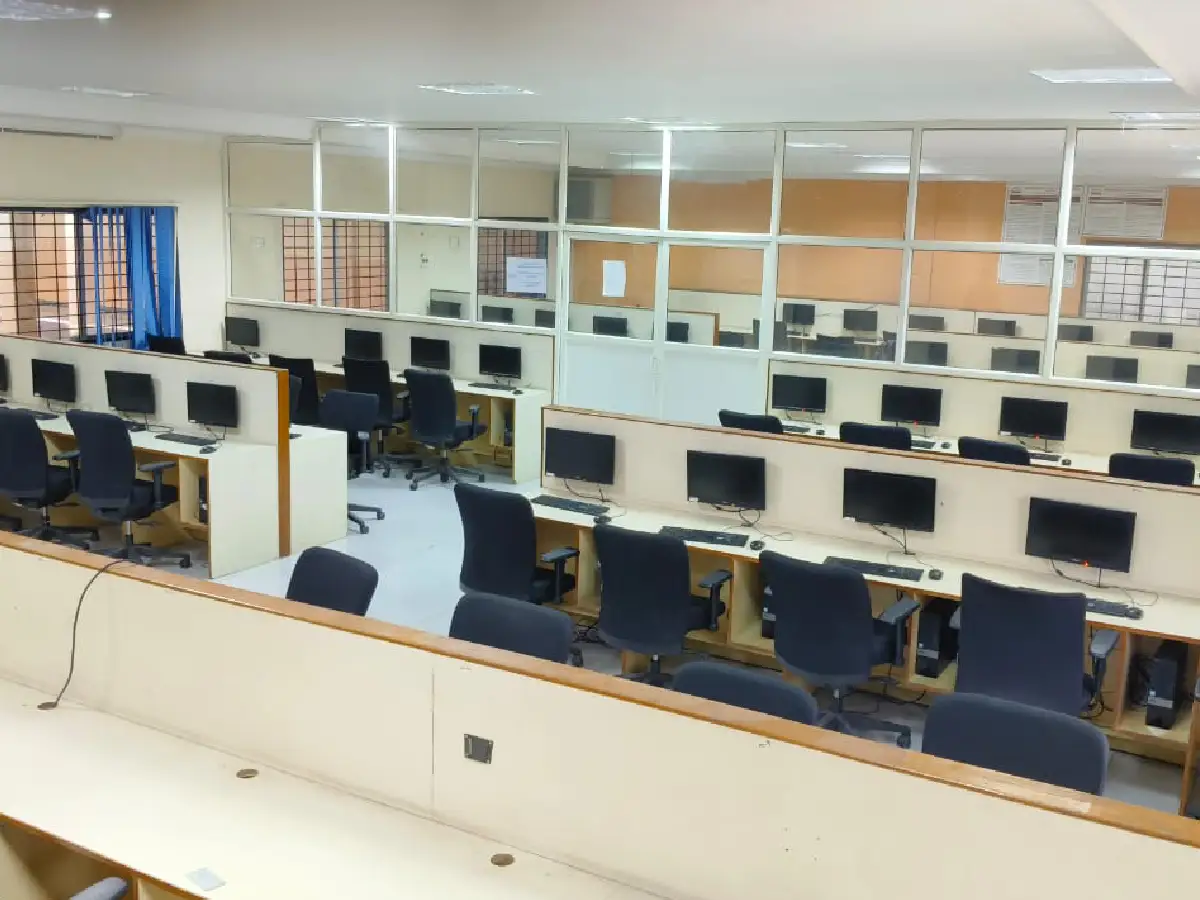
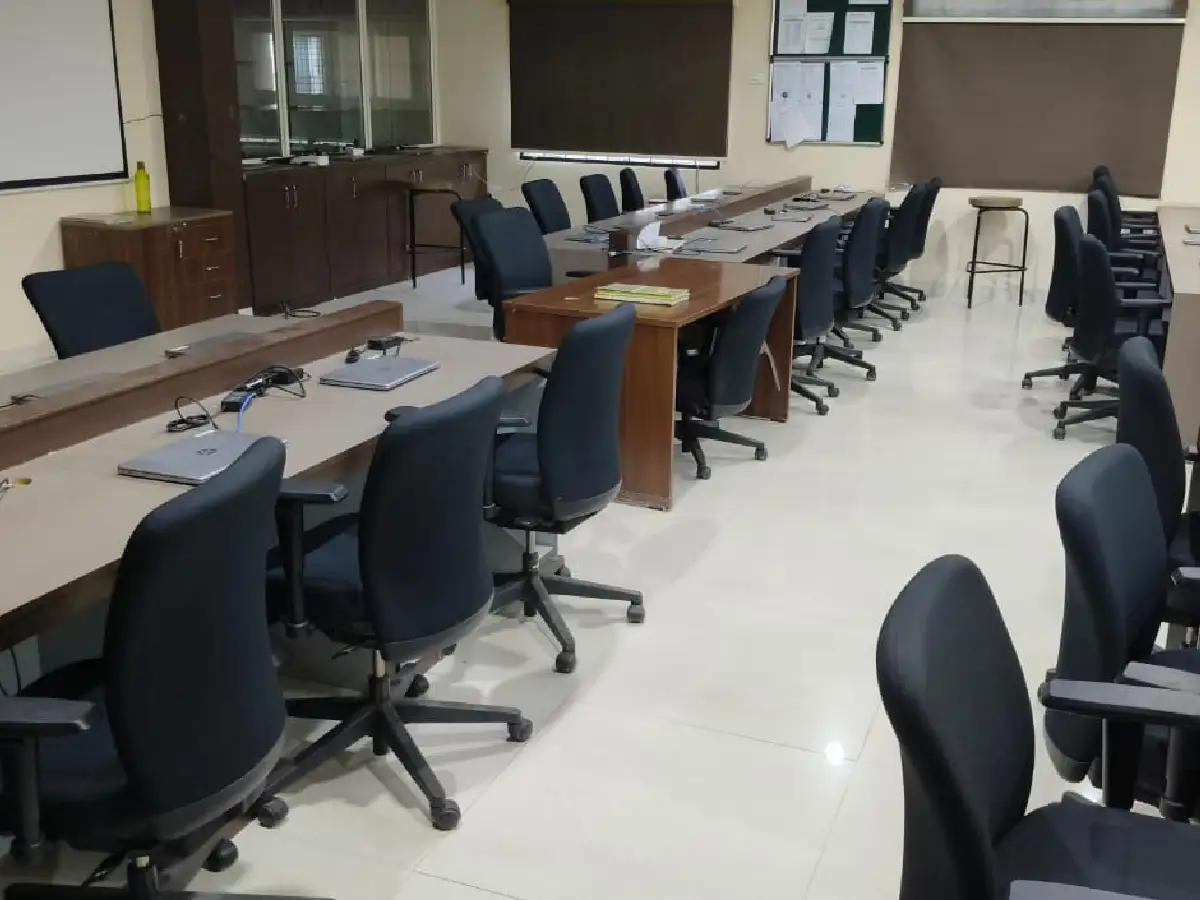
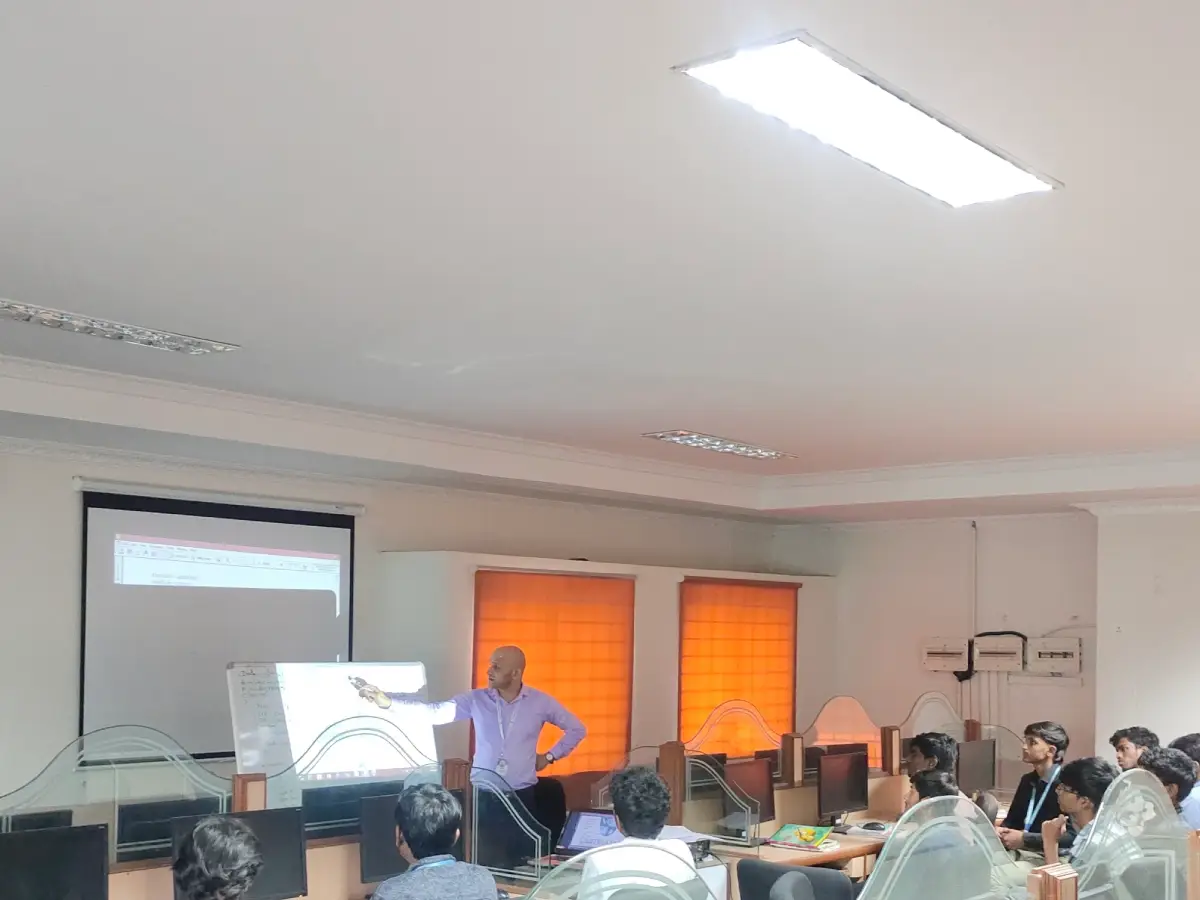
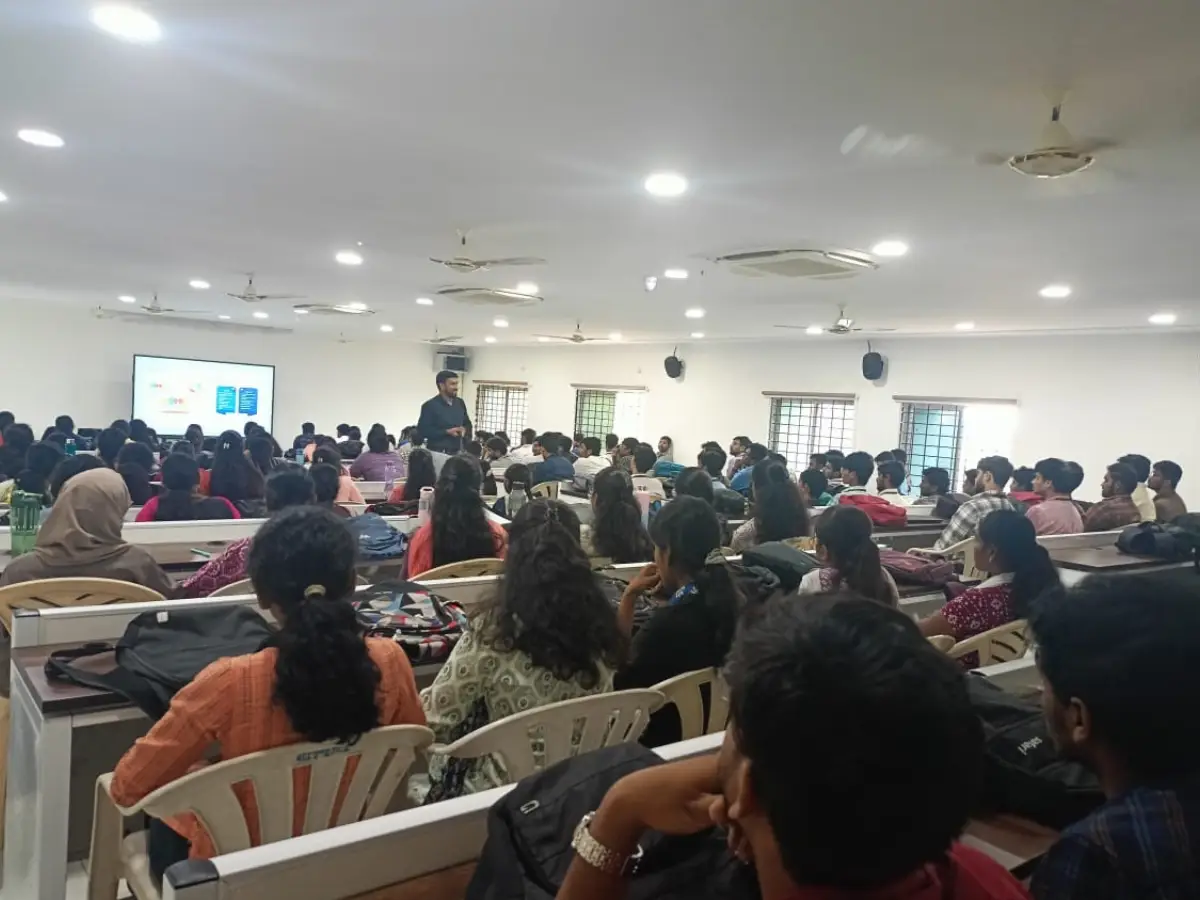
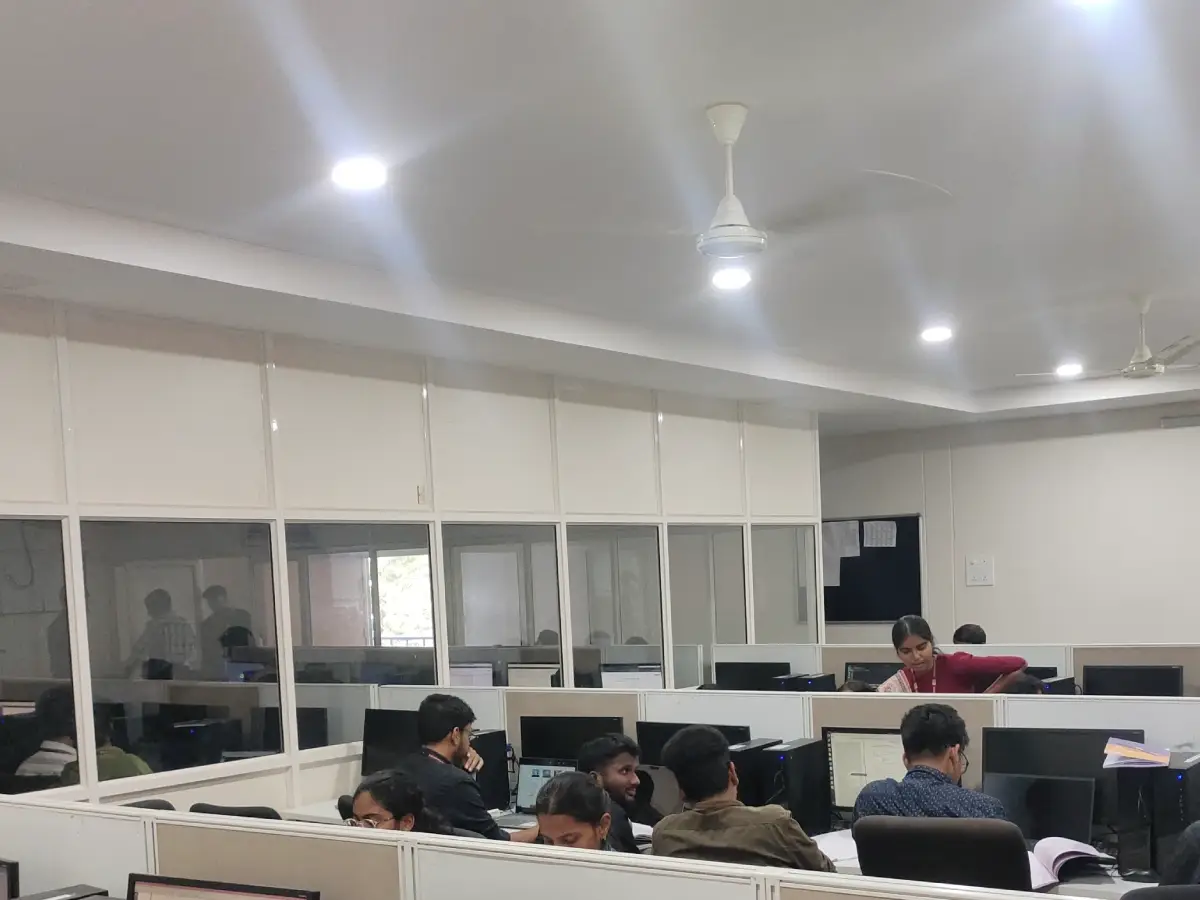
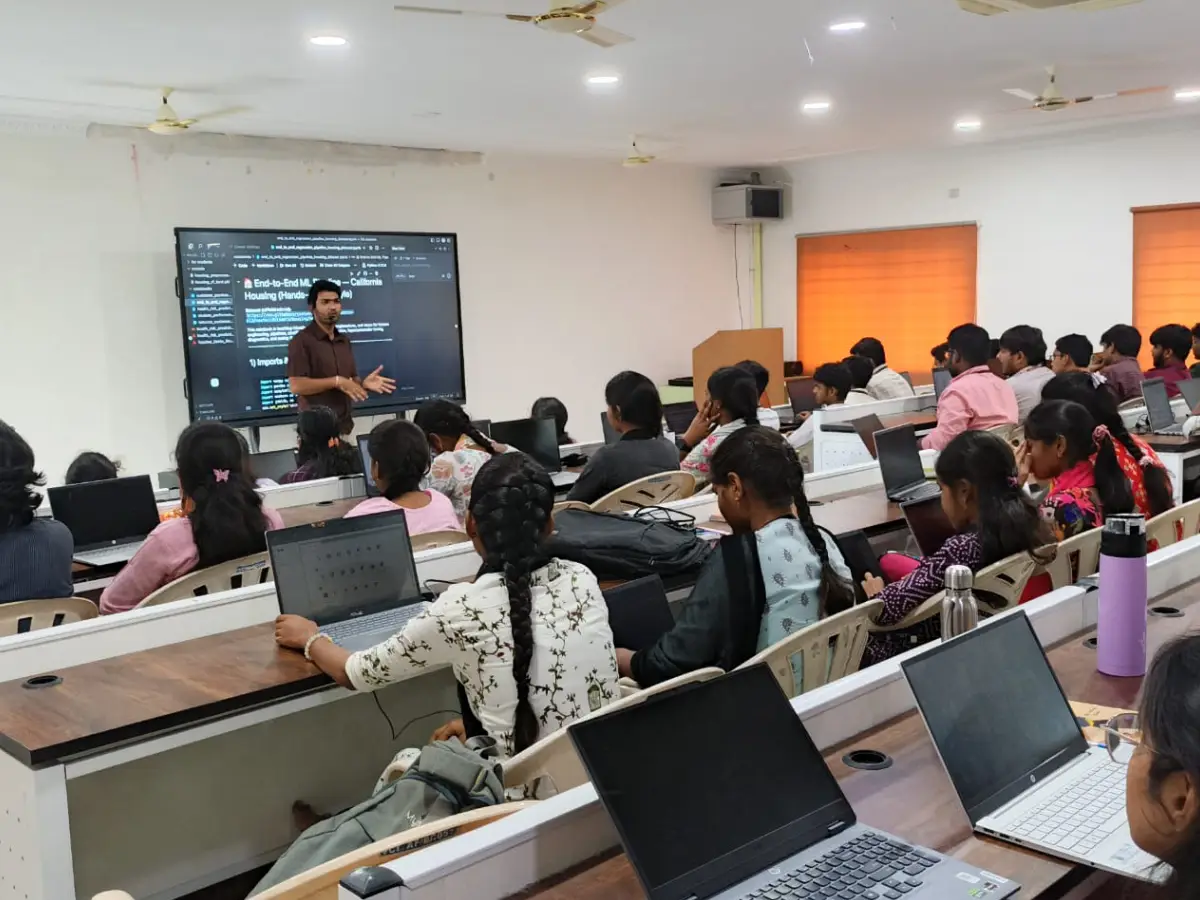
The Project Laboratory is a dedicated innovation space that enables students to apply theoretical knowledge through practical implementation and real-world problem solving. It supports undergraduate and postgraduate students in executing mini and major projects in areas such as software development, artificial intelligence, machine learning, data science, cybersecurity, cloud computing, Internet of Things (IoT), web and mobile application development, and automation systems.
The laboratory promotes innovation, teamwork, and interdisciplinary collaboration. Faculty members and technical staff actively mentor students in the use of modern development tools, programming frameworks, simulation software, and computing platforms, making this lab a hub for creativity, applied learning, research, and industry-oriented development.
The Research Laboratory provides an advanced environment for students and faculty to explore, experiment, and innovate using modern computing platforms, simulation tools, and development frameworks. The laboratory supports research and project work in areas such as artificial intelligence, machine learning, data science, cybersecurity, cloud computing, computer networks, embedded systems, and Internet of Things (IoT) applications.
The lab integrates software-based modeling, algorithm design, and system simulation with hardware implementation where required, enabling students to transform theoretical concepts into functional models, research prototypes, and publishable outcomes.
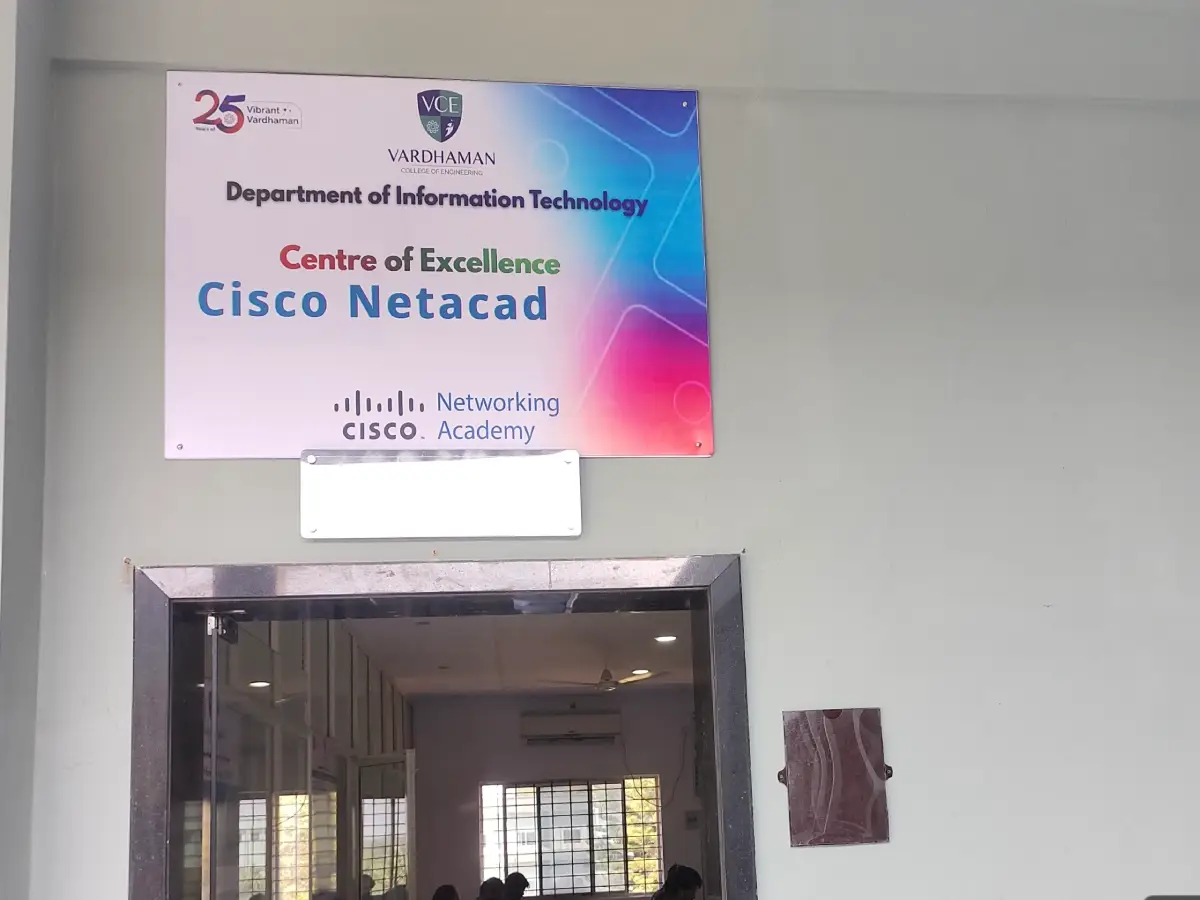
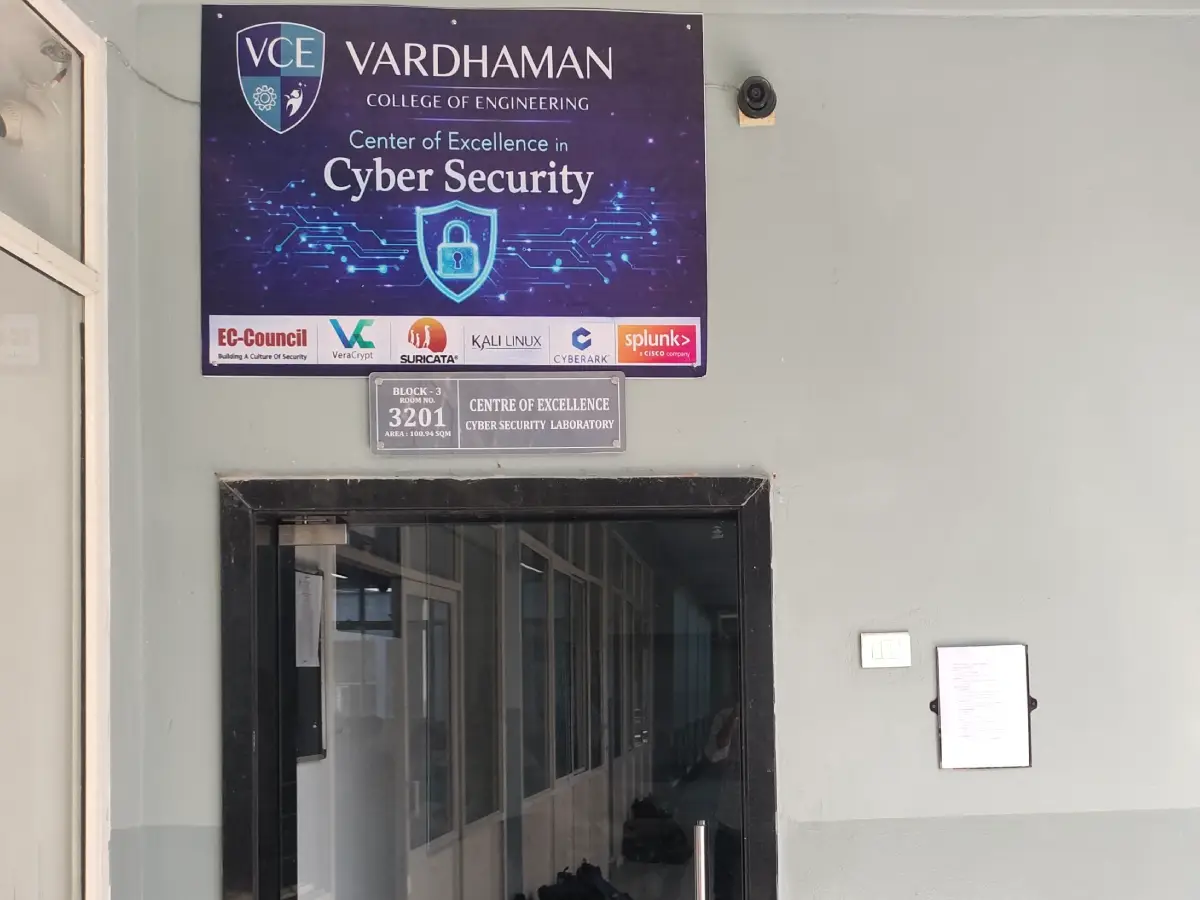
The Department of Information Technology has established Centres of Excellence in collaboration with leading global organizations to bridge the gap between academia and industry. These Centres provide students with hands-on exposure to industry tools, real-world case studies, certification pathways, and project-based learning aligned with current technological demands.
Focused on enterprise software development, data engineering, and financial technology solutions, this CoE provides:
This CoE emphasizes healthcare technology, data analytics, and secure digital platforms. Key highlights include: