
Accredited by the National Board of Accreditation (NBA) under Tier-I
The Department of Information Technology adopts a student-centered learning philosophy that positions learners as active participants in the knowledge creation process. The focus extends beyond content delivery to developing analytical thinking, computational problem-solving ability, creativity, and ethical awareness in technology use.
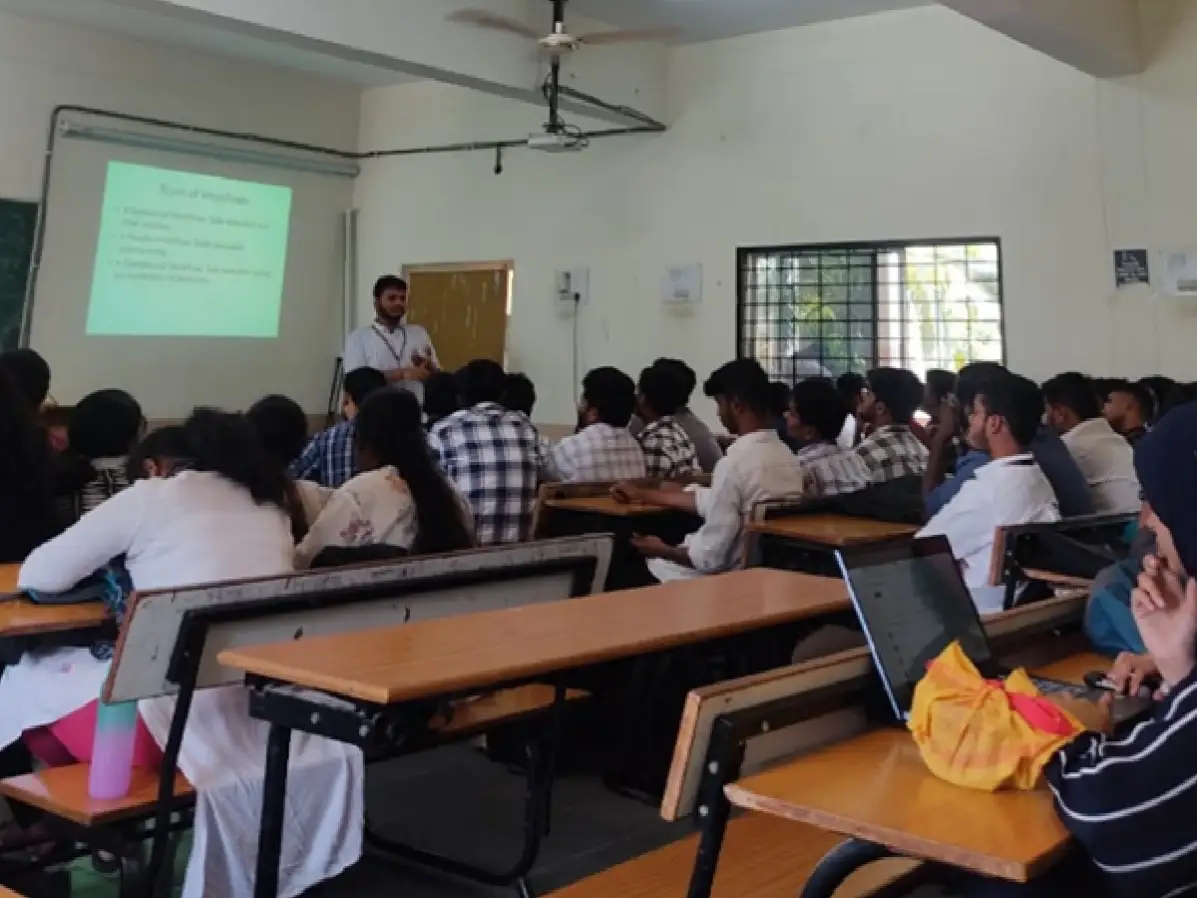
Learning environments are designed to encourage inquiry, experimentation, collaboration, and independent exploration. Students are guided to take ownership of their academic progress through structured mentoring, continuous assessment, and reflective learning practices. This approach cultivates intellectual autonomy while ensuring sustained academic support.
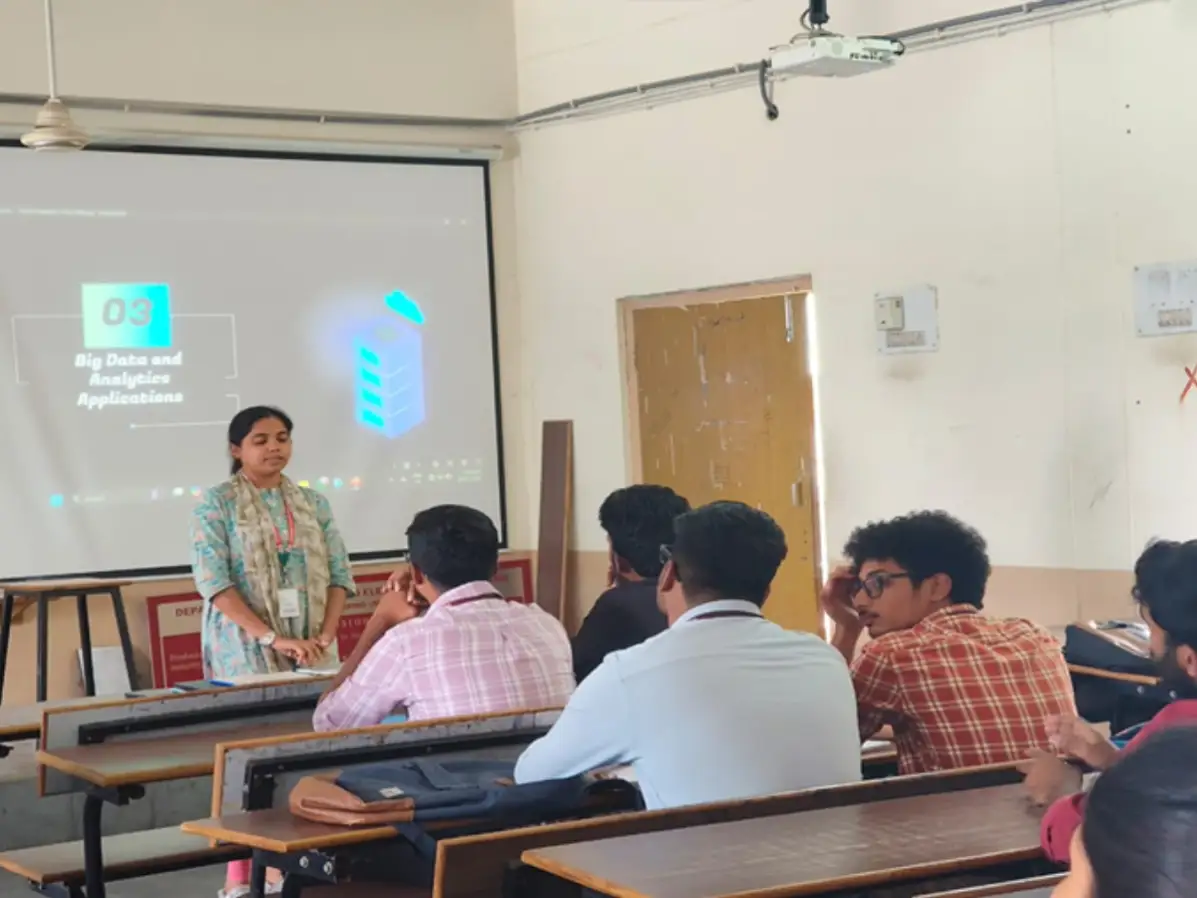
The Department of Information Technology is committed to delivering a structured, outcome-driven, and industry-aligned teaching–learning process that integrates theoretical foundations with practical application. The department ensures academic quality by aligning curriculum design, instructional delivery, and assessment strategies with institutional objectives, accreditation standards, and emerging technological advancements.
The teaching framework emphasizes conceptual clarity in core IT domains such as programming, data structures, database management systems, computer networks, operating systems, cloud computing, cybersecurity, artificial intelligence, and emerging digital technologies. The curriculum is periodically reviewed to incorporate evolving industry standards and technological innovations, ensuring graduates remain future-ready.
A systematic academic planning process is followed each semester. Course objectives and outcomes are clearly defined and mapped to Program Outcomes (POs) and Program Specific Outcomes (PSOs). Teaching plans, assessment strategies, and laboratory activities are structured to ensure measurable attainment of learning outcomes.
The Department of Information Technology follows a structured and outcome-aligned teaching–learning framework that ensures consistency in curriculum planning, instructional delivery, and assessment. Course plans, lesson schedules, and evaluation schemes are prepared systematically to maintain academic clarity and rigor.
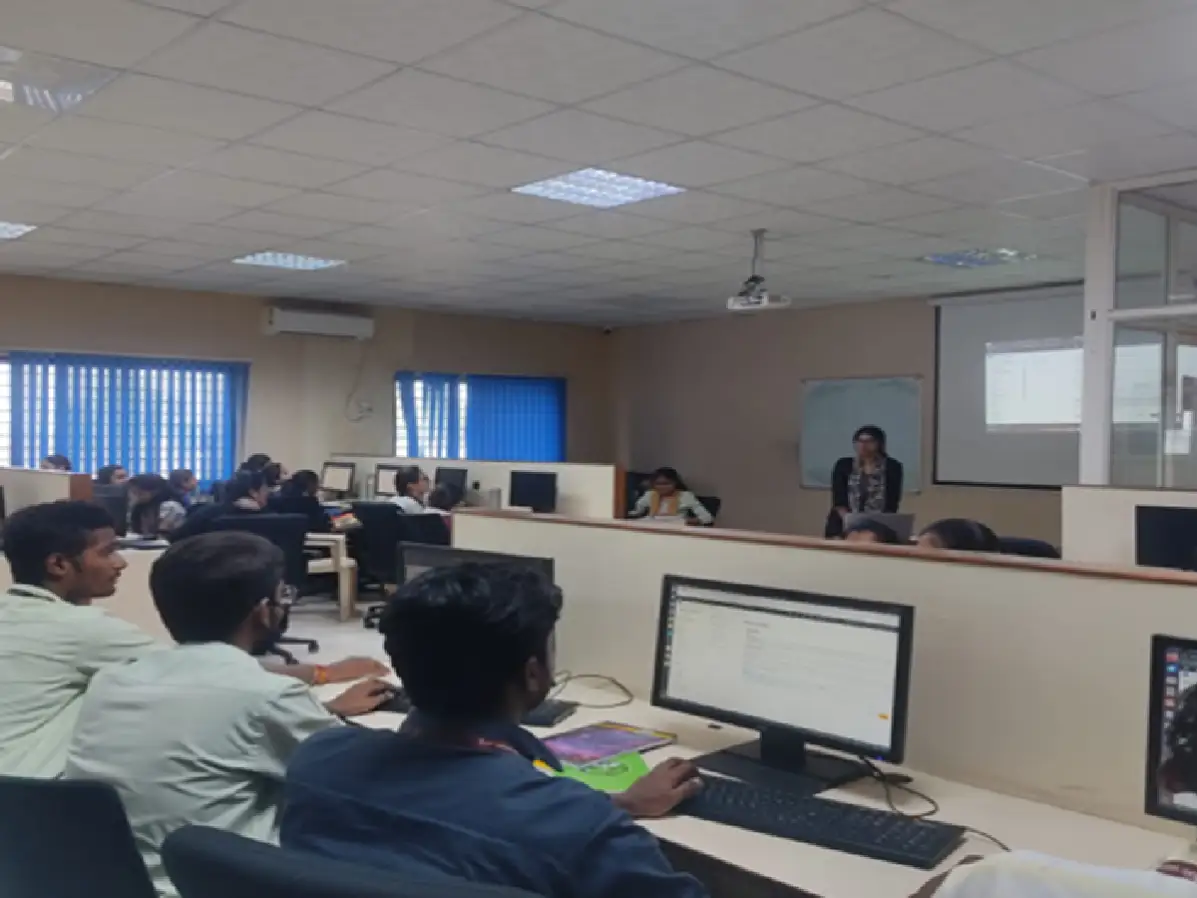
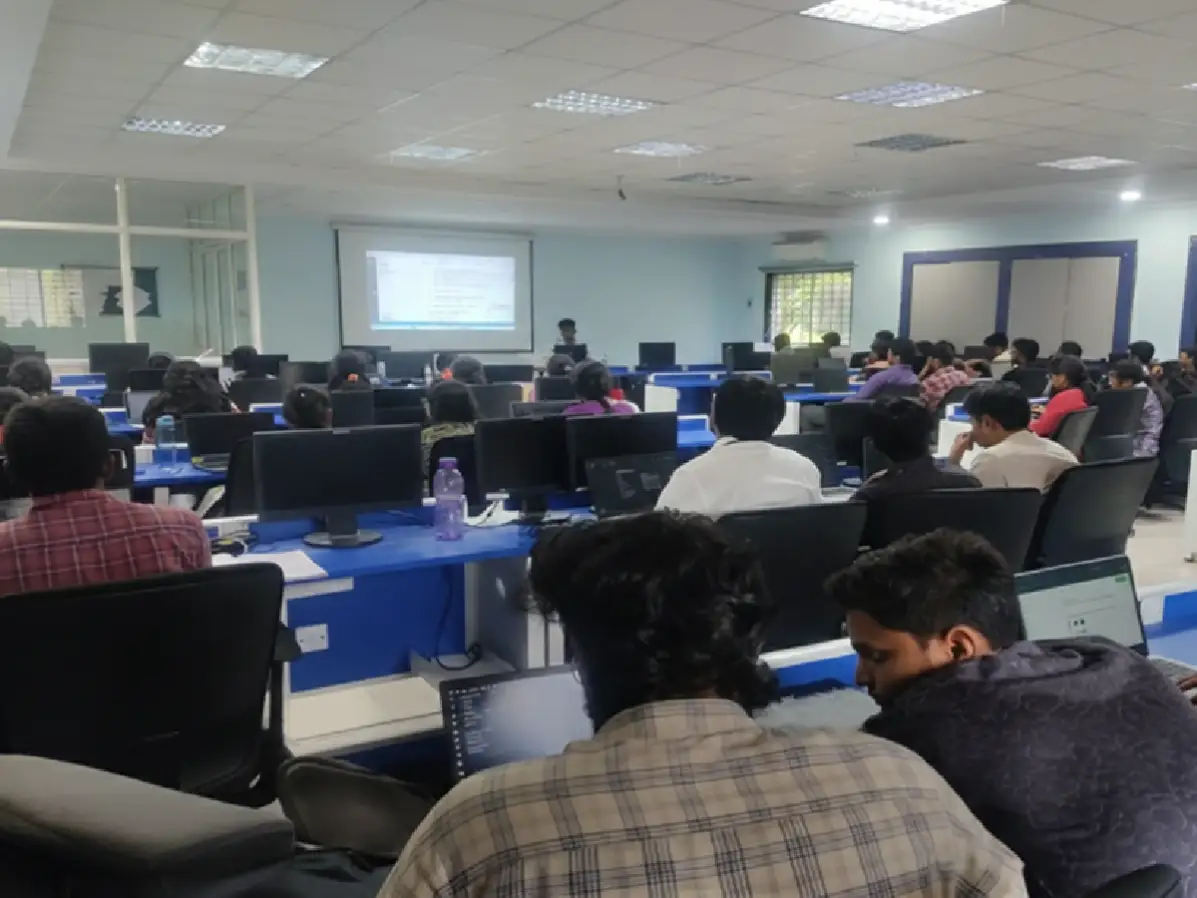
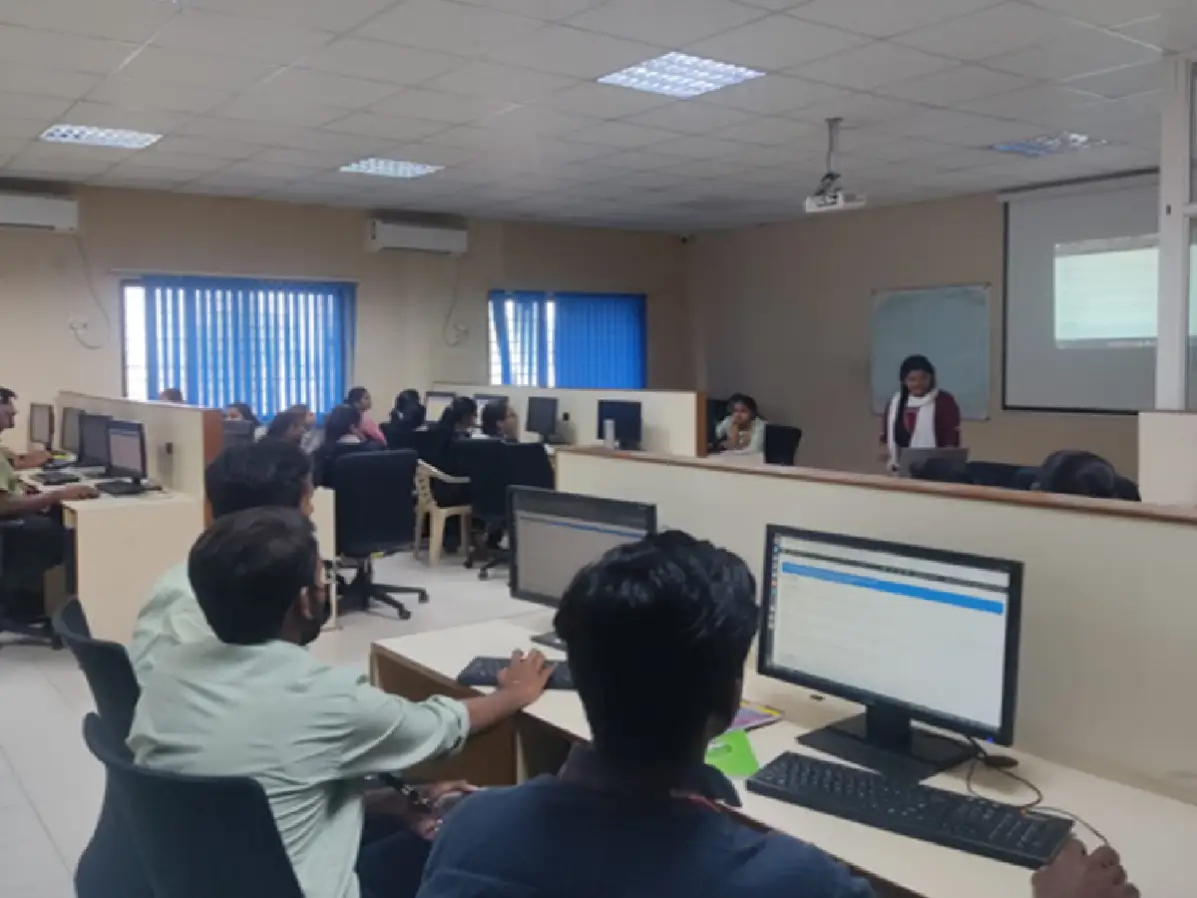
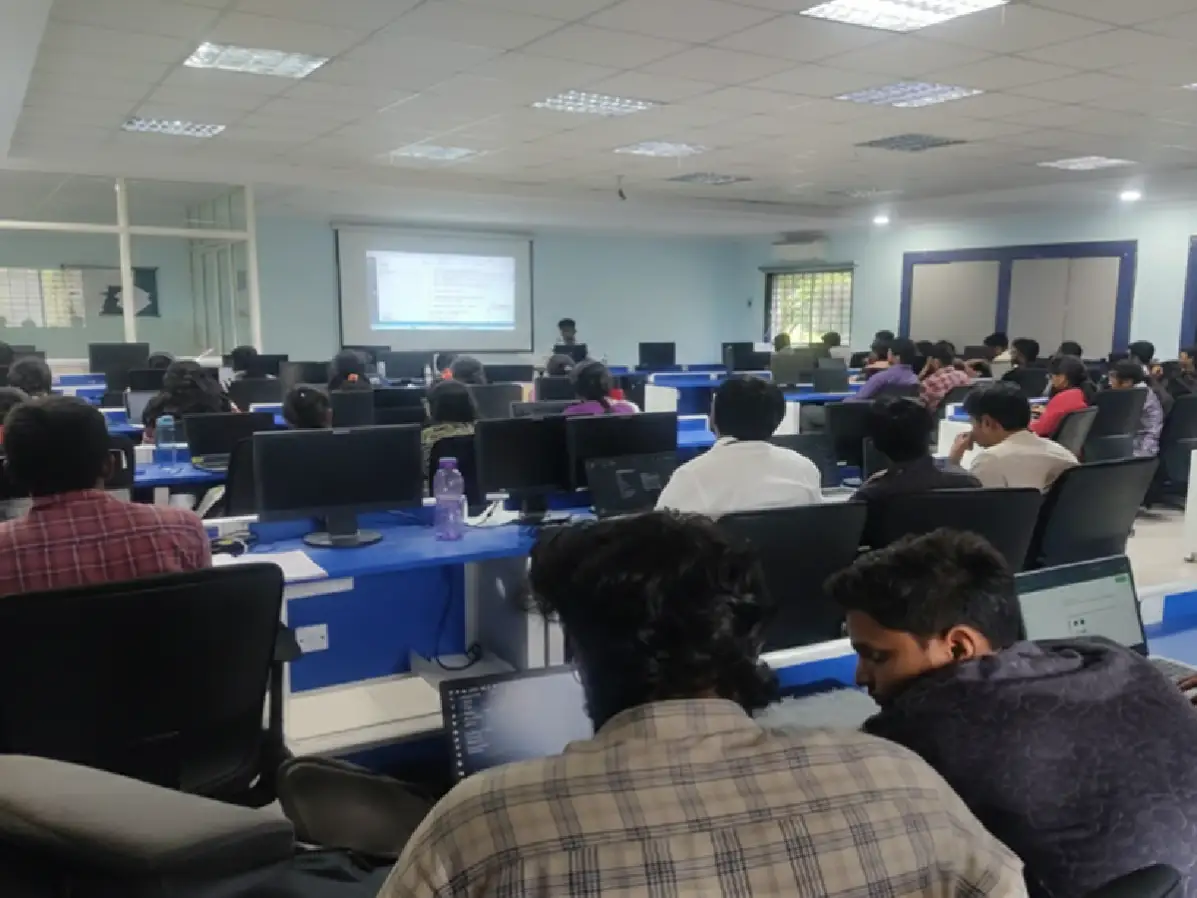
Theory sessions are supported by well-organized laboratory work in programming, databases, networking, and system development to reinforce practical competence. Continuous assessment through assignments, quizzes, lab performance, and examinations enables systematic performance evaluation.
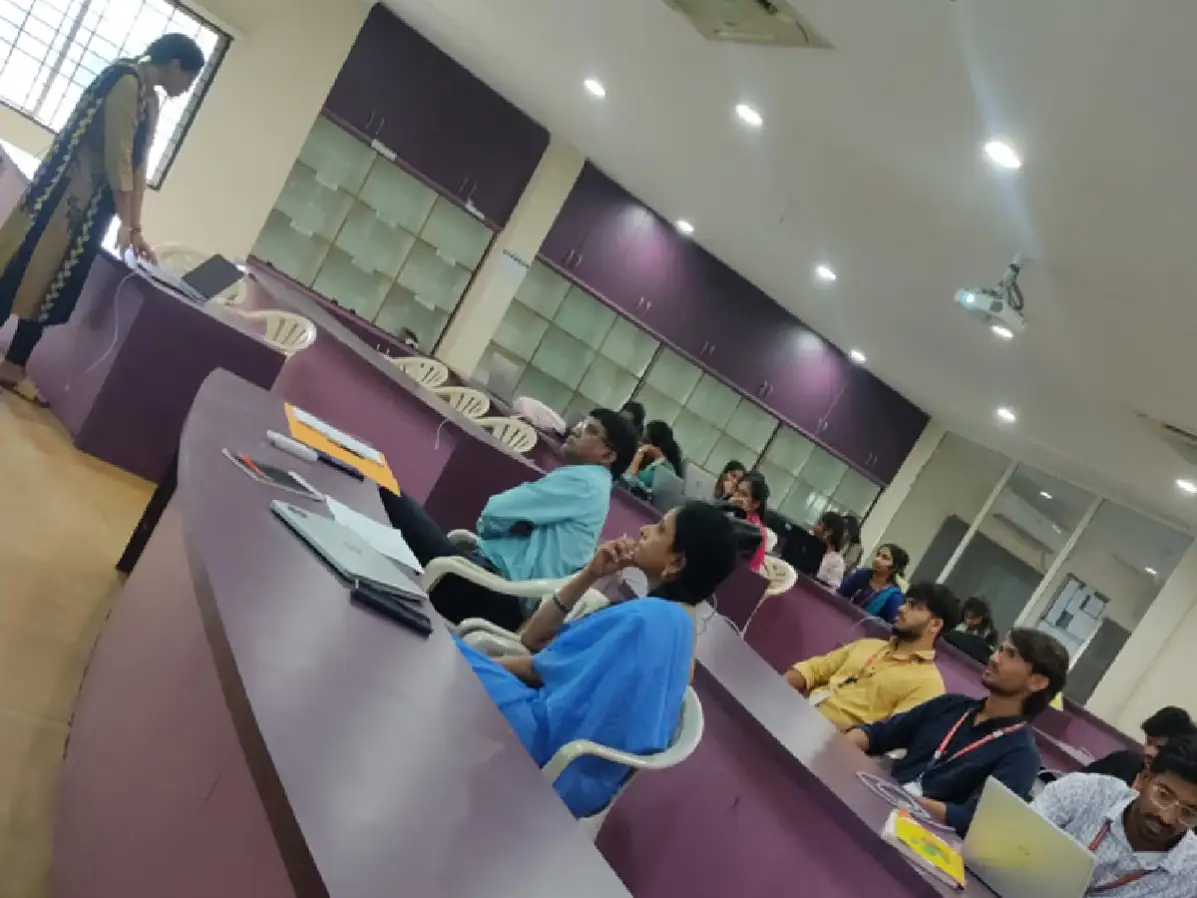
Regular academic review, result analysis, and attainment monitoring are conducted to identify improvement areas and implement corrective measures. Workshops, seminars, internships, and industry interaction further strengthen professional exposure.
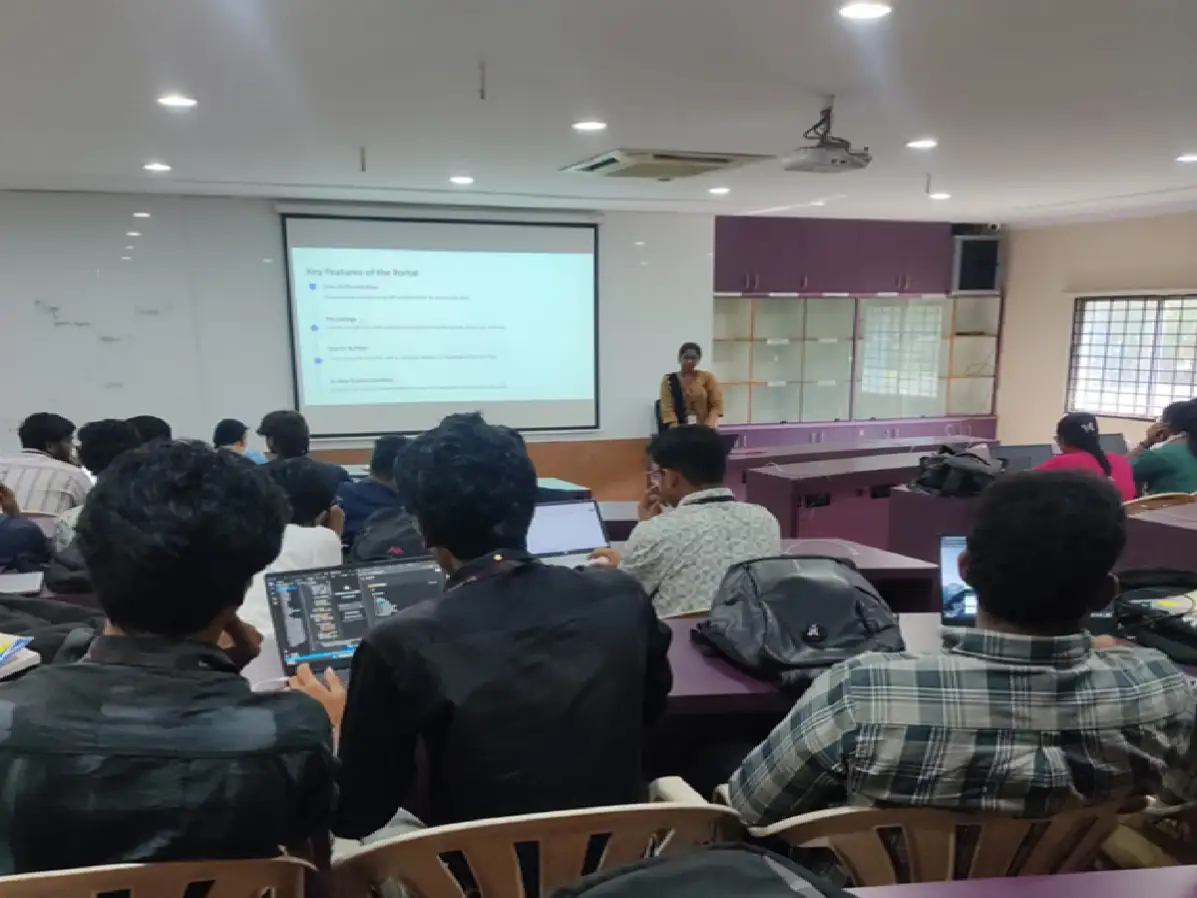
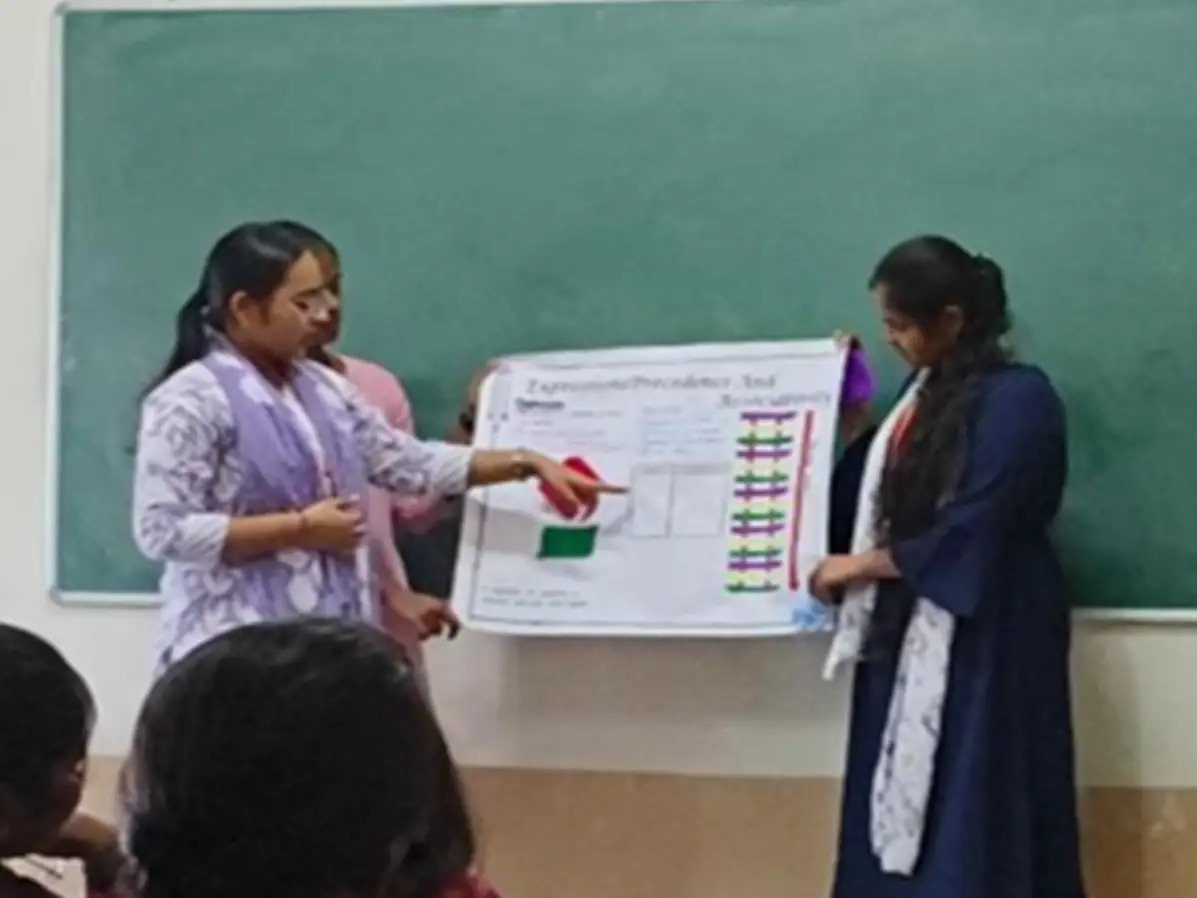
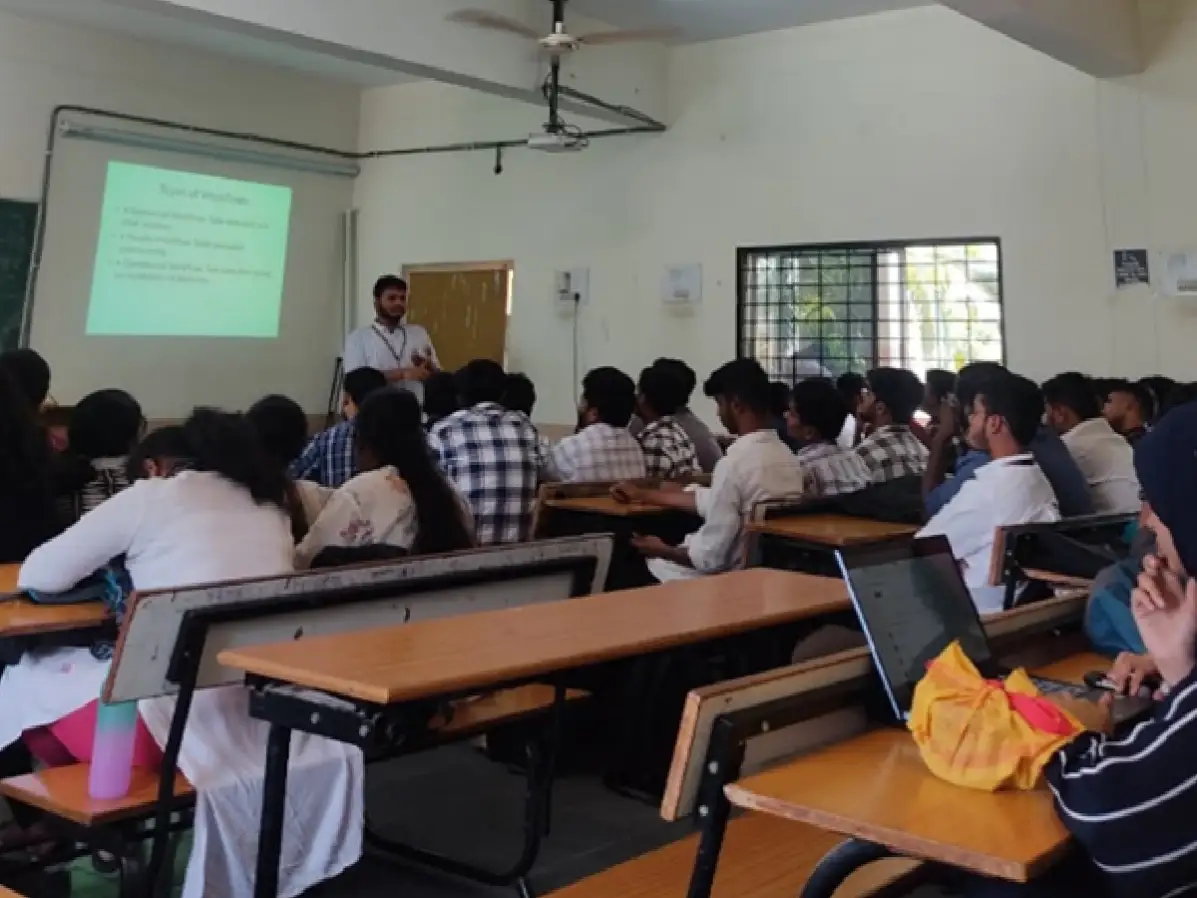
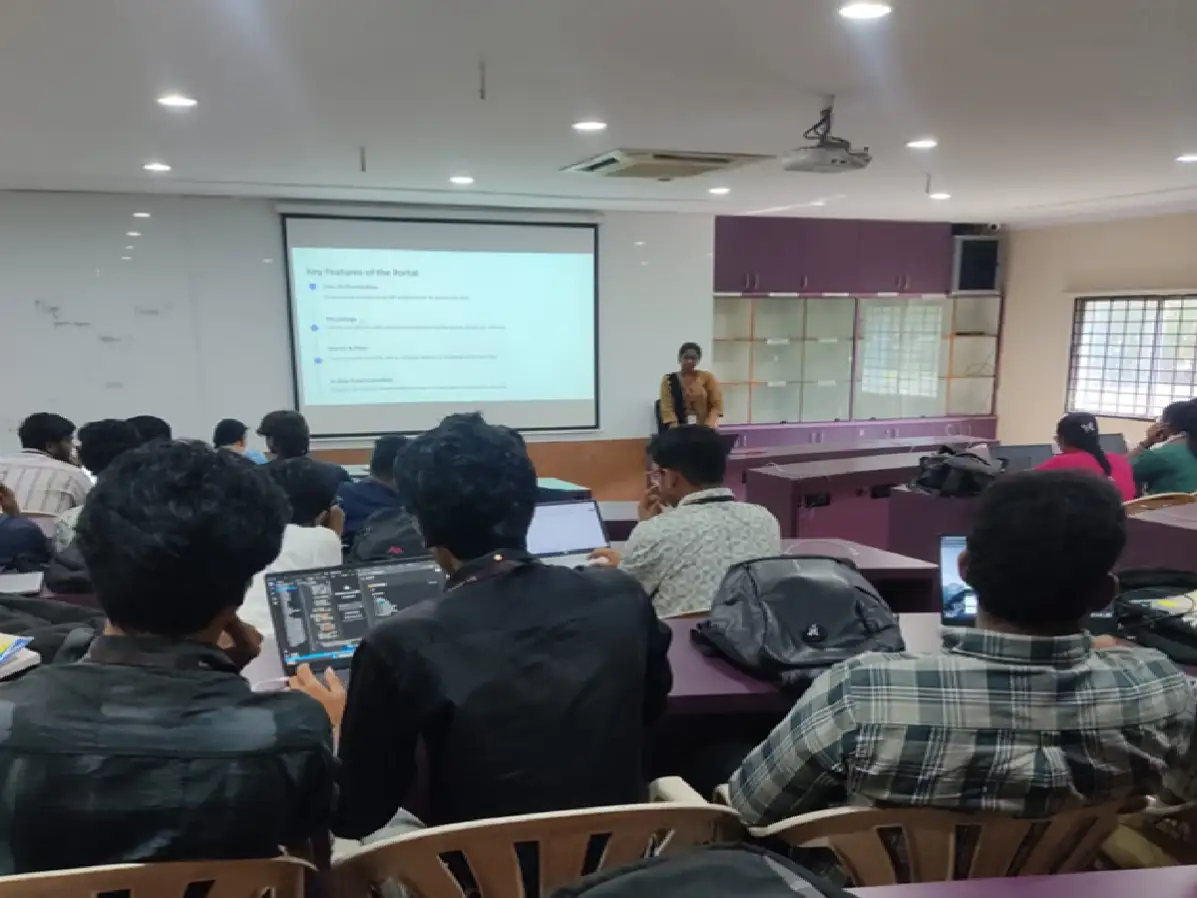
Innovative teaching–learning methodologies are adopted to enhance student competencies and improve learning outcomes. Modern pedagogical practices and technology-enabled strategies are integrated into regular instruction to strengthen analytical reasoning, technical proficiency, and practical application skills.
Innovative teaching–learning methodologies are adopted to enhance student competencies and improve learning outcomes. Modern pedagogical practices and technology-enabled strategies are integrated into regular instruction to strengthen analytical reasoning, technical proficiency, and practical application skills.

Value Added Courses are offered beyond the prescribed curriculum to strengthen industry-relevant skills and application-oriented competencies in Information Technology. These courses utilize departmental laboratory infrastructure and industry collaboration to provide structured training aligned with current technological trends and certification standards The courses conducted over recent academic years may be grouped under the following domains:
Participation in SWAYAM, NPTEL, and other Massive Open Online Courses (MOOCs) is actively encouraged to complement the academic curriculum of the Department of Information Technology. These platforms extend learning beyond the classroom by providing structured courses in advanced computing domains, contemporary technologies, and interdisciplinary areas relevant to the IT profession.
Online courses enable students and faculty to engage in structured self-paced learning while gaining exposure to expert-led instruction from reputed institutions and industry specialists. The flexibility of these platforms supports continuous skill enhancement, certification attainment, and academic enrichment aligned with evolving technological trends
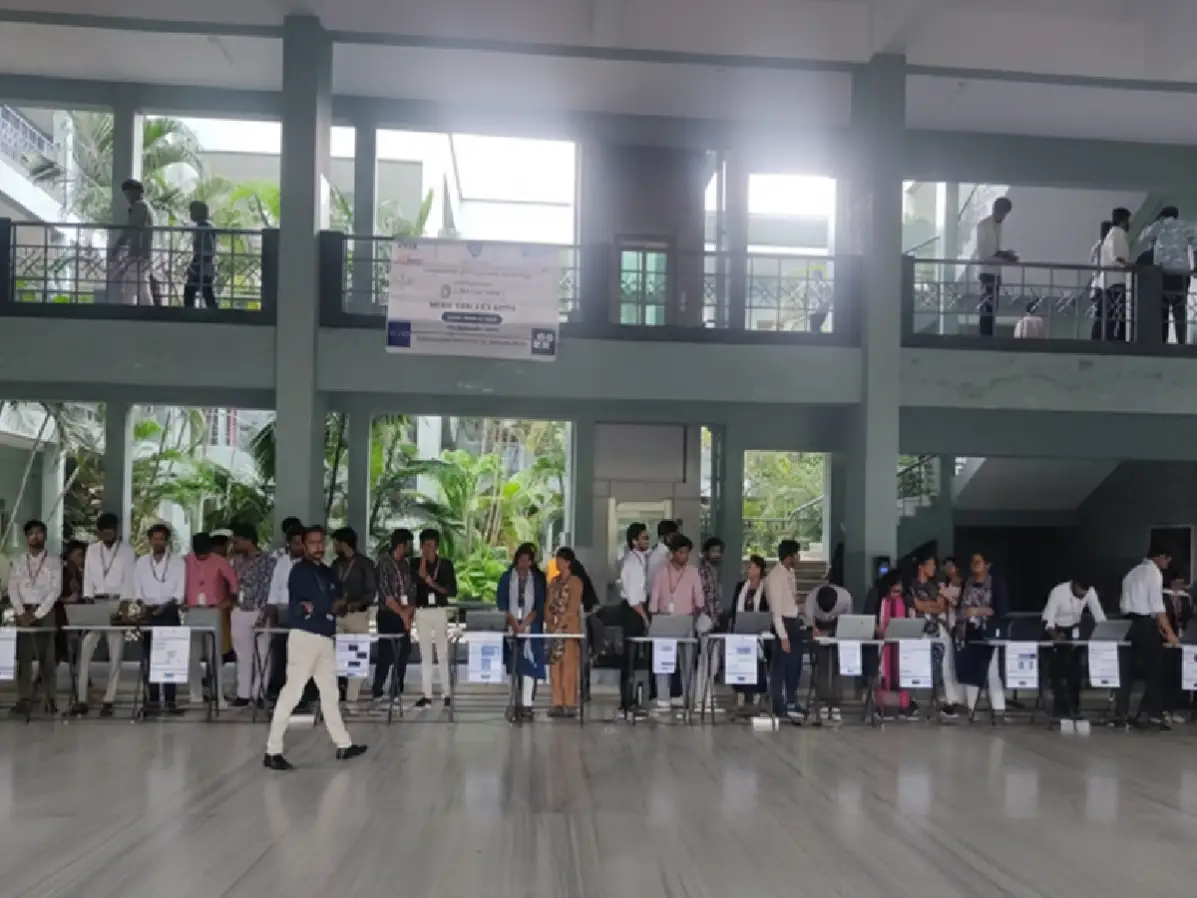
Academic projects constitute a core component of the teaching–learning framework in the Department of Information Technology. Project work is systematically integrated across different stages of the program to enable students to translate theoretical knowledge into practical computing solutions. Through structured implementation, testing, and deployment activities, students gain experiential exposure to real-world technological challenges
These projects strengthen analytical reasoning, system design capability, coding proficiency, data-driven decision-making, teamwork, and professional communication skills. Emphasis is placed on developing scalable, secure, and efficient solutions aligned with current industry practices and societal requirements.